

What is the dust generation when using a diamond saw blade?
Dec 12, 2025
When you're in the business of cutting materials like wood, metal, or stone, diamond saw blades are often your go - to tools. But one thing that always comes up is the dust generation. As a diamond saw blade supplier, I've seen this issue from all angles, and I'm here to break it down for you.
What causes dust generation when using a diamond saw blade?
Dust generation when using a diamond saw blade is a natural by - product of the cutting process. When the blade makes contact with the material, it grinds and chips away small particles. These particles then become airborne, creating dust.
The type of material being cut plays a huge role in how much dust is generated. For example, cutting stone, especially hard stones like granite or marble, generates a significant amount of dust. That's because these stones are made up of a lot of fine minerals, and when the blade cuts through them, all those tiny fragments are released into the air.
Wood, on the other hand, also produces dust, but it's generally of a different nature. Wood dust consists of cellulose fibers, and its quantity can vary depending on the density and hardness of the wood. Softwoods like pine might generate less dust compared to hardwoods like oak.
Metal cutting also creates dust, although it's often in the form of very fine metal shavings. The heat generated during the cutting process can also cause some of the metal to vaporize and then condense into dust particles.
Types of dust generated
There are two main types of dust that we commonly encounter when using diamond saw blades: respirable dust and non - respirable dust.
Respirable dust is the real concern because these are the tiny particles that can be inhaled deep into the lungs. In the case of stone cutting, respirable dust can contain silica, which is extremely harmful. Prolonged exposure to silica dust can lead to serious lung diseases like silicosis, lung cancer, and chronic obstructive pulmonary disease (COPD).
Non - respirable dust, which is made up of larger particles, usually settles more quickly. These particles are less likely to be inhaled but can still cause irritation to the eyes, nose, and throat.
How our diamond saw blades are designed to manage dust
As a diamond saw blade supplier, we understand the importance of minimizing dust generation. That's why we've put a lot of effort into designing our blades to be as dust - friendly as possible.
One of the things we've done is to optimize the blade's tooth design. A well - designed tooth can cut through materials more efficiently, which means less chipping and fewer dust particles being released. Our blades have teeth that are strategically shaped to create a cleaner cut, reducing the amount of material that gets turned into dust.
We also offer a range of blades with different segments and bond types. The right combination can be selected based on the specific material you're cutting. For example, if you're cutting a soft material, a blade with a softer bond can be used. This allows the diamond to wear away at a rate that closely matches the material removal rate, further reducing dust.
Importance of dust management
Dust management is not just a matter of keeping your workspace clean; it's about the health and safety of your workers. As I mentioned earlier, inhaling certain types of dust can have serious long - term health consequences.
From a legal perspective, there are strict regulations regarding dust exposure in the workplace. Employers are required to ensure that their workers are not exposed to dangerous levels of dust. By using our diamond saw blades and implementing proper dust management systems, you can stay in compliance with these regulations.
In addition to health and legal reasons, dust can also affect the performance of your equipment. Dust particles can get into the moving parts of your saw, causing wear and tear and potentially reducing the lifespan of the machine.
Dust collection systems
To effectively manage dust, you need a good dust collection system. There are various types of dust collection systems available, from small portable units to large industrial - scale systems.
When paired with our diamond saw blades, a dust collection system can work wonders. For example, a downdraft table can be used when cutting smaller pieces of material. The dust is drawn down through the table surface and into a collection chamber.
For larger cutting operations, a central dust collection system is often the best choice. This type of system can collect dust from multiple saws and workstations, keeping the entire workspace clean.
Our product range and solutions
We offer a wide variety of diamond saw blades to meet different cutting needs. You can check out our Saw Blade for Cutting Wood Metal Stone. This blade is designed to handle a diverse range of materials, and its unique design helps in reducing dust generation as much as possible.
If you're into precision woodworking, our Precision Woodworking Saw Blade is a great option. It provides clean and accurate cuts while minimizing the amount of wood dust in the air.

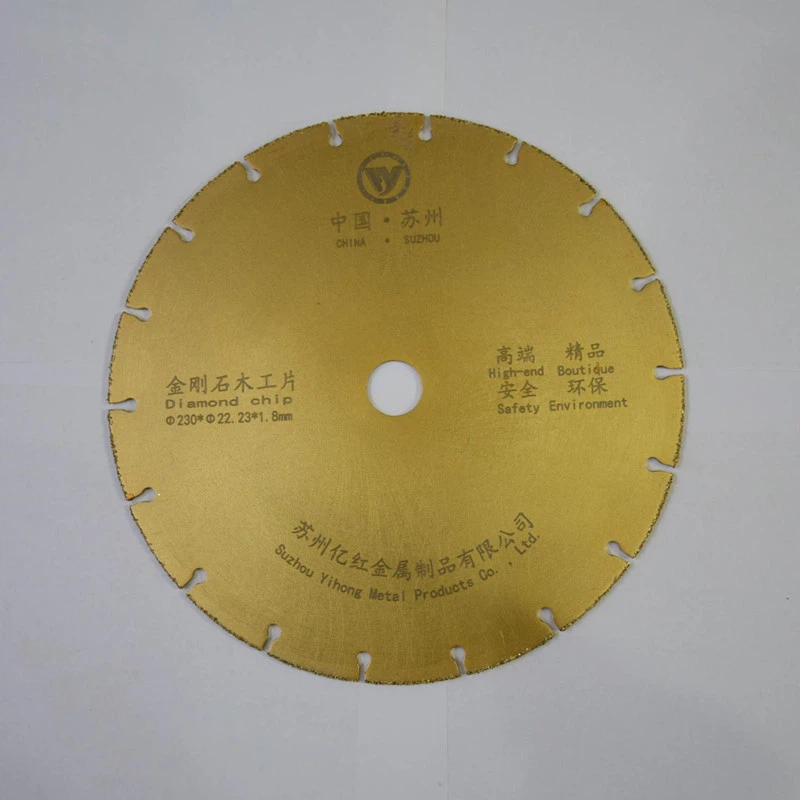
For those who need custom solutions for cutting metal and stone, we've got you covered with our Custom Metal Stone Saw Blades. These blades are tailored to your specific requirements, ensuring that you get the best performance with minimal dust.
Conclusion
In conclusion, dust generation when using a diamond saw blade is a common but manageable issue. By understanding what causes dust, the types of dust generated, and implementing proper dust management strategies, you can create a safer and more efficient working environment.
As your trusted diamond saw blade supplier, we're committed to providing you with high - quality products that help reduce dust. Whether you're a small woodworking shop or a large industrial cutting facility, we have the solutions you need.
If you're interested in our diamond saw blades or want to discuss your specific dust - related challenges, don't hesitate to reach out. We're here to help you find the best products for your business.
References
- Occupational Safety and Health Administration (OSHA). "Respirable Crystalline Silica."
- Woodworking Machinery and Supply Association (WMSA). "Dust Collection in Woodworking."
- American National Standards Institute (ANSI). "Safety Standards for Cutting Tools."