Wheel

Your Leading Suzhou Yihong Metal Products Co., Ltd. Supplier
 

Suzhou Yihong Metal Products Co., Ltd. is located in Zhangjiagang Free Trade Zone, Suzhou City, Jiangsu Prov- ince, which is located on the coast of Jiangnan and Taihu Lake, and is close to Yanjiang and Shanghai-Nanjing. Sitong. There is a deep-water wharf of the Yangtze River in the area, and the traffic is very convenient. Enterprise land occupation , with excellent R&D team and many employees. Yihong is committed to the design, development, production and sales of hard tools, and spray processing. The main products include diamond tools, brazed diamond tools, Alloy tools, resin bonded grinding wheels, etc. Specific prod- ucts include diamond saw blades, cutting blades, perforators, grinding wheels, grinding heads, cemented carbide rotary files, Non-standard special-shaped tools such as alloy file, alloy hole opener and alloy grinding wheel.


Why Choose Us?

High quality

Our company has a very strict quality con-trol system, enjoy a good reputation in the mainstream market.


After-sale service

Professional and thoughtful after -sales team, let you worry about us after -sales Intimate service, strong after -sales team support.

Technical support

Our company has more than 232 technical team and 80 obtain patent.

One-stop solution

We are committed to the design, development, production and sales of hard tools, and spray processing.

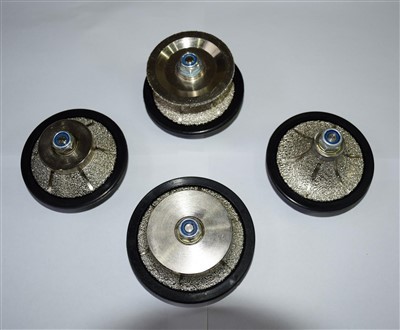
 

What is Wheel?


A wheel is a rotating component (typically circular in shape) that is intended to turn on an axle bearing. The wheel is one of the key components of the wheel and axle which is one of the six simple machines. Wheels, in conjunction with axles, allow heavy objects to be moved easily facilitating movement or transportation while supporting a load, or performing labor in machines. Wheels are also used for other purposes, such as a ship's wheel, steering wheel, potter's wheel, and flywheel.


Benefits of Wheel
 

Efficiency of material removal

One of the advantages of grinding wheels is their exceptional ability to remove material efficiently. The abrasive grains embedded in the wheel's surface cut, grind, and/or shape material, make it an effective tool for quickly removing excess material and achieving the form that is required of the workpiece.

Versatility across different materials

Grinding wheels are versatile tools that can handle a wide range of materials, from metals like steel and aluminum to hard materials like ceramics and stone. This versatility makes them invaluable in industries where a large range of materials have to be used on projects.

Precision and accuracy

Grinding wheels in skilled hands can provide precision and accuracy in shaping and finishing. The controlled abrasion offered by the wheel allows for fine adjustments, enabling craftsmen to achieve tight tolerances and smooth surfaces, crucial in applications such as tool and die making.

Available in different types and sizes

Grinding wheels are available in a range of types and sizes, each designed for specific tasks. From straight wheels for surface grinding to cup wheels for contouring and cylindrical wheels for precision grinding, the variety allows users to select the most suitable tool for their application.


Types of Wheel

Straight grinding wheels
You see them all the time. The most basic grinding wheels are in workshops across the world. They are most commonly used to sharpen tools like chisels and lawnmower blades. You probably have one yourself at home.


Large diameter grinding wheels
Large diameter wheels are like straight wheels, but they are much larger. These wide-surfaced wheels grind down the outside of round objects like carbide blanks. Also, used for OD grinding especially in Oil and Thermal spray Industry.


Grinding cup wheel
One of the most familiar applications of Grinding Cup Wheels is to polish stone or concrete. But with a small enough grit, cup wheels can take on delicate jobs like paint and adhesive removal.

Cup wheels are often used for re-sharpening and finishing for some applications depending on abrasive size.


Grinding dish wheel
Dish grinding wheels look like cup wheels but are shallow and have a thinner surface edge. Their narrow shape allows them to fit into tight crevices a cup wheel would never be able to reach. They are otherwise used for the same applications as a cup wheel.


Segmented grinding wheel
Segmented wheels can be manufactured in various styles; 6A2, 1A1, 2A2T. The major difference for this wheel is instead of having a continuous abrasive rim, the abrasive sections are segmented and applied to the wheel. ASA offers the following shapes-Hexagon, Pellets and Pie segments. Contact ASA to discuss in more detail.

When used with cooling or lubricating fluids, these grinders remove large amounts of material fast without damaging the surface of your work. Each segment creates a canal that uses centrifugal force to carry the fluids where it’s most needed.


Cutting face grinding wheel
Cutting face grinding wheels cut through objects by grinding away material. The width of the grinding edge is usually very narrow and takes a lot off at once.


Concrete Hand Profiling Wheel


Application of Wheel

Grinding and sharpening tools.


Smoothing and finishing surfaces.


Precision machining and grinding.


Removing material from workpieces.


Shaping metal and other materials.


Grinding welds and joint edges.


Surface preparation for coatings.


Cutting and shaping glass and ceramics.


Grinding and sharpening blades and cutters.


Polishing and smoothing concrete and stone surfaces.


Components of Wheel
 

Abrasives - Several kinds of abrasives are commonly used; Aluminum Oxide, Silicon Carbide, and Zirconia - Aluminum Oxide; all designed with variations in size and structure, to significantly affect the specific cutting or grinding application.


Bond - The bonding system holds the abrasives together in the wheel shape. Consisting of resins & fillers, it allows the wheel to wear away at a specific rate, to achieve the required cutting action. Wheels with tenacious bonds are called “hard”; those that break down more rapidly are considered “soft”. Resinoid bonding systems are used for dry-cutting of most materials. Rubber-Resin bonding systems are used for most wet-cutting applications.


Structure - To provide space for the abrasive grain - bond matrix, the wheel must be constructed with the proper number, size and distribution of minute “spaces” in the structure. Structures with more spaces are considered “open”, those with fewer spaces are considered “closed”.


Reinforcement - For added strength, a woven fabric of long strand fiberglass, impregnated with phenolic resins, is molded into the wheel during the manufacturing process. The strand size, weave and strength is determined by the requirements of the cutting job, and is engineered to meet the stresses of the application.


Process of Wheel


Raw materials
Raw materials are the first and vital step to manufacturing the abrasive wheel. The raw materials include abrasive grains, bonds, and filling. Different wheel requires different kinds of raw materials. Take an instance, The factory usually uses synthetic non-woven fiber and abrasive emery as the raw materials of the flap wheel.

Except for the normal functional materials, the abrasive wheel also contains many compounds as filling. The filling has different functions, such as performance increase or coloring.

Mixing the ingredients
When all materials are set up. We need to mix them thoroughly and dry them.

Molding
After drying them, it’s time to form them in mold. Forming them could make the product easier to be used and to be installed. In this step, we also should insert the special glass fiber(glass cloth) as reinforcement during the process of molding.

Pressing
Pressing is an important step to ensure the finished products could fit the required standard. The factory usually controls the pressure is in the range of 100 to 5000 pounds per square inch(psi) for 10S-30S.

In this pressing process, establishing even thickness is the key point of pressing. Therefore, some professional manufacture would control the thickness through closely monitoring the consistency of the mix and the force of the press.


Placement
After demolding, the wheel should be placed on an even, heatproof carrier. In this step, we should pay more attention to the placement, because the wheel is formed by a temporary binder. If the wheel is relatively heavy, it needs to be transported by some transporting tools.

Firing
Firing is a very significant process that could influence its grade and quality. The firing process could enhance the ability to resist the heat and solvents encountered during grinding.


How to Maintain Wheel
Portable Hand Profile Wheel

Use the right wheel for the job: It is essential to choose the right grinding wheel for the specific material and application. Using the wrong type of wheel can lead to premature wear and can damage the wheel. Make sure to match the wheel’s grit size, bond type, and concentration to the material being worked on.


Check for damage: Before using a grinding wheel, inspect it for any signs of damage such as chips, cracks, or uneven wear. Using a damaged wheel can lead to poor performance and can be a safety hazard. If any damage is detected, replace the wheel immediately.


Dress the wheel regularly: Dressing the grinding wheel involves removing dull abrasive particles from the wheel’s surface to expose fresh diamonds. Regular dressing helps to maintain the wheel’s cutting ability and prevents glazing. Use a dresser or a dressing stick to dress the wheel periodically.


Use coolant: Cooling the grinding wheel with a coolant or lubricant helps to prevent overheating and premature wear. Coolants also help to flush away debris and extend the wheel’s life. Make sure to use the appropriate coolant for the material being worked on.

Avoid excessive pressure: Applying excessive pressure on the grinding wheel can cause it to wear out quickly and can damage the workpiece. Instead, let the wheel do the work and use a light touch to prevent overloading. Adjust the feed rate and cutting depth to achieve the desired result without stressing the wheel.


Store properly: When not in use, store the grinding wheels in a dry and clean environment to prevent contamination and damage. Keep them away from moisture, heat, and direct sunlight. Store the wheels on racks or in a protective case to avoid accidental damage.


Handle with care: Handle grinding wheels with care to prevent chipping or cracking. Avoid dropping or banging the wheels against hard surfaces. Use a wheel guard and protective gear when using the wheels to prevent accidents and injuries.

Concrete Hand Profiling Wheel


Tips for Improving Productivity

Making the tough job of grinding as productive as possible comes down to several factors. Here are seven tips to help optimize grinding wheel productivity.

Tip 1: Choose tools carefully

Tool power makes a big difference in grinding wheel performance. If the tool doesn’t have enough power or torque, the operator won’t get the full performance of the wheel as its designed. For example, a product that contains ceramic alumina requires a higher-powered tool to ensure that the operator gets the full advantages of the self-sharpening grain. Even something that seems small, like the choice of extension cord, can affect wheel performance. Depending on the length, using a 10- or 12-gauge heavy duty extension cord versus a 16-gauge, for example, makes a difference in the performance of the wheel and also the heat that is generated in the cord. Always avoid stringing several cords together.

Tip 2: Start with a pull motion

With a new grinding wheel, start by using a pull motion for the first few strokes rather than a push motion. This helps break in the edge of the wheel, prevents initial gouging of the workpiece and familiarizes the operator with wheel performance. If the application allows it, use long, smooth movements and avoid short, choppy strokes. This gives consistent material removal in the work area and reduces the chance of digging into the workpiece, which can create costly rework.

Tip 3: Don’t dwell

It’s important to keep steady, consistent movements and avoid dwelling in the same spot when using a grinding wheel. Otherwise, heat will build up and could cause discoloration on high-value workpieces. Dwelling in the same spot can also result in removing too much material — potentially adding costly rework.

Tip 4: Use proper pressure and orientation

Operators may think that pressing harder will get the work done faster, but too much pressure on a grinding wheel can cause problems and increase operator fatigue. Use moderate pressure and let the wheel do the work. The orientation of the wheel to the workpiece also plays an important role in performance and productivity. The optimal angle for using a grinding wheel is typically 25 to 35 degrees. It can be used safely at a shallower or steeper angle depending on the application, but you will not achieve the same life or efficiency. Also note that not all 1/8-inch combination wheels are created equal. Some are specifically designed to cut and grind while others are for vertical use only. Make sure your technique matches the instructions on the wheel. If it says the wheel is for vertical use only, don’t use the wheel to grind on its face.

Tip 5: Optimize wheel life

Using a wheel for its full useable life helps operations reduce wheel costs as well as the downtime spent on changeover, which in turn helps improve uptime and productivity. Take advantage of technologies that help optimize wheel life. For example, new Tiger® 2.0 cutting, grinding and combo wheels from Weiler feature a patent pending Optimum Use Line — a visual indicator that helps operators use the wheel safely to its full life.

Tip 6: Keep a focus on safety

Some simple things to keep in mind include making sure the maximum rpm listed on the product is higher than the maximum rpm listed on the tool. Also, be sure the wheel fits under the tool guard that is installed on the grinder, and keep the guard on the grinder. Edge chipping or breaking can become a safety hazard if fragments fly off the wheel while it’s in use. The Tiger 2.0 wheel is formulated with anti-chip technology to extend wheel life and reduce the potential for edge chipping or breaking, allowing the wheel to wear down smoothly. In addition, QR codes on the wheels provide operators with instant access to safety information.

Tip 7: Consider the application

One of the first steps in choosing the right wheel for the application is to consider the job being done. Specific wheel designs and formulations are available for many applications and materials. For example, in multipass welding, grinding typically happens right after the root pass weld is completed, which means the weld can still be very hot. Look for a grinding wheel designed to break down on hot welds, which reduces wheel chatter and glazing. Foundry applications are also examples of very specific applications that require wheels designed for that work. Grinding in a foundry often involves working with hard-to-grind materials using powerful tools, so it requires a wheel that holds up to heavy pressure and higher torque to avoid premature edge breakage. Also, to avoid contaminating materials like aluminum and stainless steel during grinding, choose contaminant-free wheels designed specifically for those materials. Aluminum is a softer metal with a lower melting point than steel, so use a wheel specifically formulated to break down and not load up with aluminum material to maintain higher productivity.


Our Factory


Suzhou Yihong Metal Products Co., Ltd. is located in Zhangjiagang Free Trade Zone, Suzhou City, Jiangsu Prov- ince, which is located on the coast of Jiangnan and Taihu Lake, and is close to Yanjiang and Shanghai-Nanjing. Sitong. There is a deep-water wharf of the Yangtze River in the area, and the traffic is very convenient.


productcate-1-1


FAQ


Q: How do you increase the life of a grinding wheel?

A: Dressing and truing are essential maintenance techniques that help restore the grinding wheel's shape and improve its performance. Dressing involves removing the dull and worn abrasive particles from the wheel, while truing involves reshaping the wheel to its original form.

Q: What is a good way to check the condition of the grinding wheel?

A: Using a light, nonmetallic implement (a screwdriver handle does a fine job), gently tap the wheel 1 to 2 inches from the periphery and 45 degrees to either side of the wheel's vertical centerline. Rotate the wheel 45 degrees and test again. Each tap should produce a clear ringing sound like that of a bell.

Q: Do grinding wheels wear out?

A: Mechanisms of wheel wear
Attritious wear or progressive wear which is typically undesirable leads to the grains dulling by developing flat spots and rounded edges on the wheel which can deteriorate the wheel's ability to remove material.

Q: What is the cause of grinding wheel failure?

A: Wheel pores clogged with either non-ferrous or soft materials. Result - Wheel imbalance leading to catastrophic failure. Wheel can grab the work and turn it into a projectile. Wheel can grab the work and create a stall condition which can also lead to catastrophic failure.

Q: What does dressing a grinding wheel do?

A: The objective of dressing the wheel is to: True the wheel by knocking abrasive particles from the wheel's surface and making the wheel concentric. This minimizes vibration and improves surface finish, eliminating the vibration of the out-of-balance wheel across the workpiece's surface.

Q: What is the lifespan of a grinding wheel?

A: Grinding wheels are consumables, although the life span can vary widely depending on the use case, from less than a day to many years. As the wheel cuts, it periodically releases individual grains of abrasive, typically because they grow dull and the increased drag pulls them out of the bond.

Q: When should I replace my grinding wheel?

A: If the edge of the disk feels smooth, the blade has worn down, and the disc needs replacing. However, if you intend to identify the disc's quality in this way, be aware that the edge is naturally sharp and can pose a risk of injury if it doesn't need replacing.

Q: How to determine grinding wheel life?

A: Wheel life is calculated by dividing the available abrasive by the wheel wear. Calculating wheel wear in a continuous cutting creep feed grinding operation is complicated. The dressing amount is programmed according to the revolution of the grinding wheel.

Q: How do you store grinding wheels?

A: Place straight or tapered wheels on their end in a cradle or chocked position to prevent rolling or damage. Never store wheels near excessive heat or cold, in contact with water, oil or moisture, nor in drawers with loose tools. Store wheels in a dry area.

Q: What happens to a grinding wheel as it wears?

A: During the grinding process, the state of the working surface of the grinding wheel is constantly changed due to the wear of the grinding wheel itself. With the extension of the grinding time, the cutting ability of the grinding wheel decreases, so that the grinding process cannot be continued.

We're professional wheel manufacturers and suppliers in China, specialized in providing high quality products with low price. We warmly welcome you to buy cheap wheel for sale here from our factory.

Custom Metal Stone Saw Blades, Milling, Stone Tapper

(0/10)

clearall