

How to play Stone Tapper?
Jun 04, 2025
Stone tapping is an intricate process that requires both skill and the right equipment. As a leading supplier of Stone Tapper machines, I've witnessed firsthand the transformative impact these tools can have on various industries, from construction to sculpture. In this blog post, I'll guide you through the process of playing Stone Tapper, which essentially means operating the machine effectively to achieve your desired results.
Understanding Stone Tapper Machines
Before you start using a Stone Tapper, it's crucial to understand the different types available. We offer a range of machines, each designed to meet specific needs. The High Precision Stone Tapping Machine is ideal for projects that demand exactness and fine details. It can create precise holes and patterns in stone with remarkable accuracy, making it a favorite among jewelers and precision stoneworkers.
The Multi-Blade Stone Tapping Machine is a powerhouse for larger projects. With multiple blades working simultaneously, it can significantly increase productivity. This machine is commonly used in construction for tasks such as creating channels in large stone slabs for plumbing or electrical work.
The Single Edge Stone Tapping Machine is more versatile and user-friendly, especially for beginners. It's suitable for a wide range of tasks, from simple hole drilling to basic shaping of stone pieces. Whether you're a DIY enthusiast or a professional looking for a reliable machine for smaller jobs, the single-edge model is a great choice.
Preparing for Operation
Once you've selected the appropriate Stone Tapper machine for your project, it's time to prepare for operation. Safety should always be your top priority. Make sure you're wearing the necessary protective gear, including safety glasses, gloves, and ear protection. Stone tapping can generate a lot of noise and dust, so these precautions are essential to prevent injuries and long-term health issues.
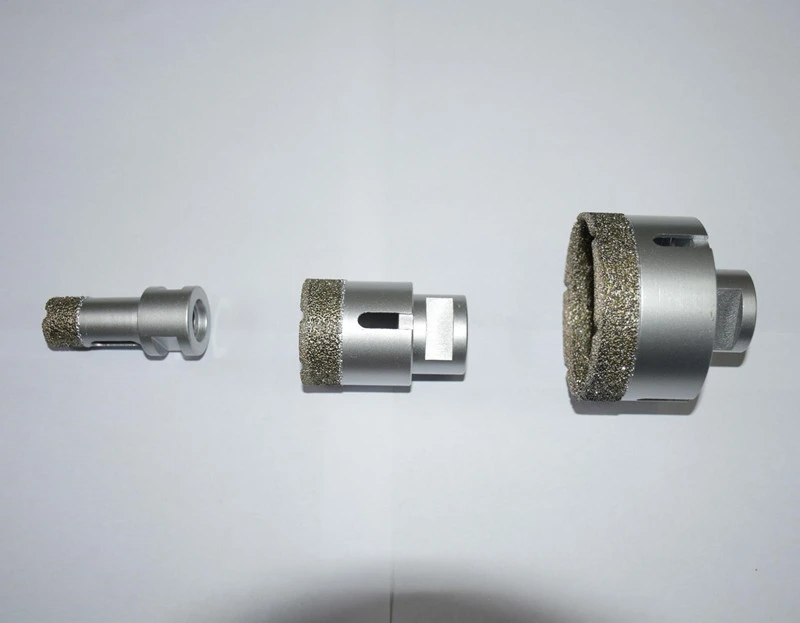

Next, inspect the machine thoroughly. Check for any signs of damage or wear and tear on the blades, motor, and other components. Ensure that all the safety features are working correctly. It's also a good idea to clean the machine before use to remove any debris or dust that could affect its performance.
Prepare your stone workpiece. Choose a flat and stable surface to place the stone on. If the stone is too large or heavy to move, you may need to use a support system to keep it in place. Mark the areas where you want to tap or drill on the stone using a pencil or marker. This will help you stay accurate during the operation.
Operating the Stone Tapper
Now that you're ready, it's time to start operating the Stone Tapper. Follow these steps for a successful tapping process:
- Set the Speed and Depth: Depending on the type of stone and the task at hand, adjust the speed and depth settings on the machine. Harder stones may require a slower speed and greater depth, while softer stones can be tapped at a faster speed with less depth. Refer to the machine's manual for specific guidelines.
- Position the Machine: Carefully position the Stone Tapper over the marked area on the stone. Make sure the machine is aligned correctly and that the blade is perpendicular to the stone surface. This will ensure clean and accurate cuts.
- Start the Machine: Turn on the machine and allow it to reach its operating speed. Once the machine is running smoothly, gently lower the blade onto the stone. Apply steady pressure as you move the machine along the marked line. Avoid applying too much pressure, as this can cause the blade to break or damage the stone.
- Monitor the Process: Keep a close eye on the tapping process. Watch for any signs of overheating or unusual vibrations, which could indicate a problem with the machine or the stone. If you notice any issues, stop the machine immediately and investigate the cause.
- Finish the Tapping: Once you've completed the tapping or drilling, turn off the machine and allow the blade to come to a complete stop. Carefully remove the machine from the stone and inspect the workpiece. If necessary, use a file or sandpaper to smooth any rough edges.
Maintenance and Troubleshooting
Regular maintenance is essential to keep your Stone Tapper in good working condition. After each use, clean the machine thoroughly to remove any stone dust or debris. Lubricate the moving parts as recommended by the manufacturer to prevent rust and ensure smooth operation.
Inspect the blades regularly for wear and tear. Replace the blades when they become dull or damaged to maintain the machine's performance. Sharpening the blades can also extend their lifespan, but it's important to follow the correct sharpening procedures.
If you encounter any problems with the machine, refer to the troubleshooting section in the manual. Common issues include blade breakage, motor failure, or uneven tapping. In most cases, these problems can be resolved by following the recommended solutions in the manual. If you're unable to fix the problem on your own, contact our customer support team for assistance.
Conclusion
Playing Stone Tapper, or operating a Stone Tapper machine, is a skill that can be mastered with practice. By understanding the different types of machines available, preparing properly, and following the correct operating procedures, you can achieve excellent results in your stone tapping projects.
As a Stone Tapper supplier, we're committed to providing high-quality machines and excellent customer service. If you have any questions or need further assistance with your Stone Tapper, don't hesitate to contact us. We're here to help you make the most of your stone tapping experience. Whether you're a professional in the industry or a hobbyist looking to explore the world of stonework, our Stone Tapper machines are designed to meet your needs. Contact us today to discuss your requirements and start your next project with confidence.
References
- Manufacturer's manuals for Stone Tapper machines.
- Industry best practices for stone tapping and machining.