

How does the surface finish quality change with different grinding parameters?
Jul 28, 2025
As a trusted supplier of Diamond Grinding Head, I've witnessed firsthand the profound impact that grinding parameters have on the surface finish quality of materials. In the world of precision machining and surface finishing, understanding these relationships is crucial for achieving the desired results. This blog post aims to explore how different grinding parameters influence surface finish quality, providing valuable insights for both professionals and enthusiasts in the industry.
Understanding Grinding Parameters
Grinding is a machining process that uses an abrasive wheel to remove material from a workpiece, resulting in a smooth and precise surface. Several parameters play a significant role in determining the quality of the surface finish, including grinding wheel speed, feed rate, depth of cut, and the type of abrasive used. Each of these parameters can be adjusted to optimize the grinding process for specific materials and applications.
Grinding Wheel Speed
The speed of the grinding wheel is one of the most critical parameters affecting surface finish quality. A higher wheel speed generally results in a smoother surface finish because it allows the abrasive grains to remove material more efficiently, reducing the size of the chips and minimizing the risk of surface damage. However, excessive wheel speed can also lead to increased heat generation, which may cause thermal damage to the workpiece, such as burns or cracks.
On the other hand, a lower wheel speed may result in a rougher surface finish due to the larger chip size and the potential for the abrasive grains to plow through the material rather than cut it cleanly. Therefore, it's essential to find the optimal wheel speed for each specific grinding application to achieve the desired surface finish quality.
Feed Rate
The feed rate refers to the speed at which the workpiece moves relative to the grinding wheel. A higher feed rate can increase the material removal rate, but it may also result in a rougher surface finish because the abrasive grains have less time to cut through the material, leading to larger chips and more significant surface irregularities. Conversely, a lower feed rate allows the abrasive grains to cut more precisely, resulting in a smoother surface finish.
However, reducing the feed rate too much can significantly increase the machining time and may not be practical for high-volume production. Therefore, finding the right balance between feed rate and surface finish quality is crucial for optimizing the grinding process.
Depth of Cut
The depth of cut is the amount of material removed from the workpiece in each pass of the grinding wheel. A larger depth of cut can increase the material removal rate, but it also increases the cutting forces and the risk of surface damage. When the depth of cut is too large, the abrasive grains may become overloaded, causing them to break or wear out more quickly, resulting in a rougher surface finish.
On the other hand, a smaller depth of cut can produce a smoother surface finish because it reduces the cutting forces and allows the abrasive grains to cut more precisely. However, multiple passes may be required to achieve the desired material removal, which can increase the machining time. Therefore, selecting the appropriate depth of cut is essential for achieving the right balance between material removal rate and surface finish quality.
Type of Abrasive
The type of abrasive used in the grinding wheel also plays a crucial role in determining the surface finish quality. Different abrasives have different hardness, toughness, and cutting characteristics, which can affect the way they interact with the workpiece material. For example, diamond abrasives are extremely hard and are suitable for grinding hard materials such as ceramics and carbides, while aluminum oxide abrasives are more commonly used for grinding softer materials such as steel and cast iron.
The grain size of the abrasive also affects the surface finish quality. A finer grain size generally results in a smoother surface finish because the smaller abrasive grains can cut more precisely and produce smaller chips. However, finer grain sizes may also have a lower material removal rate and may wear out more quickly. Therefore, selecting the right type and grain size of abrasive is essential for achieving the desired surface finish quality.
Impact of Grinding Parameters on Surface Finish Quality
Now that we've discussed the key grinding parameters, let's explore how they interact to affect the surface finish quality in more detail.
Surface Roughness
Surface roughness is a measure of the irregularities on the surface of the workpiece. It is typically expressed in terms of Ra (arithmetical mean deviation of the profile) or Rz (maximum height of the profile). The grinding parameters mentioned above have a significant impact on surface roughness.
As mentioned earlier, a higher wheel speed, lower feed rate, and smaller depth of cut generally result in a lower surface roughness. This is because these parameters allow the abrasive grains to cut more precisely and produce smaller chips, reducing the size of the surface irregularities. Conversely, a lower wheel speed, higher feed rate, and larger depth of cut can increase the surface roughness.
Surface Integrity
Surface integrity refers to the quality of the surface layer of the workpiece, including its mechanical, chemical, and metallurgical properties. Grinding parameters can have a significant impact on surface integrity, particularly in terms of residual stresses, microstructural changes, and surface burns.
Excessive heat generation during grinding can cause thermal damage to the workpiece, resulting in surface burns, microcracks, and changes in the material's microstructure. This can significantly reduce the workpiece's fatigue life and mechanical properties. Therefore, it's essential to control the grinding parameters to minimize heat generation and ensure good surface integrity.
A higher wheel speed and larger depth of cut can increase the heat generation during grinding, while a lower feed rate and the use of coolant can help to dissipate the heat and reduce the risk of thermal damage. Additionally, selecting the appropriate type and grain size of abrasive can also help to minimize heat generation and improve surface integrity.
Optimizing Grinding Parameters for Different Materials
Different materials have different properties, such as hardness, toughness, and thermal conductivity, which can affect the way they respond to grinding. Therefore, it's essential to optimize the grinding parameters for each specific material to achieve the best surface finish quality.
Grinding Hard Materials
When grinding hard materials such as ceramics and carbides, a high wheel speed and a fine grain size abrasive are generally recommended. The high wheel speed allows the abrasive grains to cut through the hard material more efficiently, while the fine grain size produces a smoother surface finish. A lower feed rate and a smaller depth of cut may also be necessary to avoid excessive cutting forces and surface damage.
Grinding Soft Materials
For softer materials such as steel and cast iron, a lower wheel speed and a coarser grain size abrasive may be more appropriate. The lower wheel speed reduces the risk of heat generation and thermal damage, while the coarser grain size allows for a higher material removal rate. A higher feed rate and a larger depth of cut can also be used to increase the productivity of the grinding process.
Our Diamond Grinding Heads for Optimal Surface Finish
At our company, we offer a wide range of Diamond Grinding Head products, including Single Head Concrete Grinder and High Precision Diamond Grinding Head, designed to meet the diverse needs of our customers.
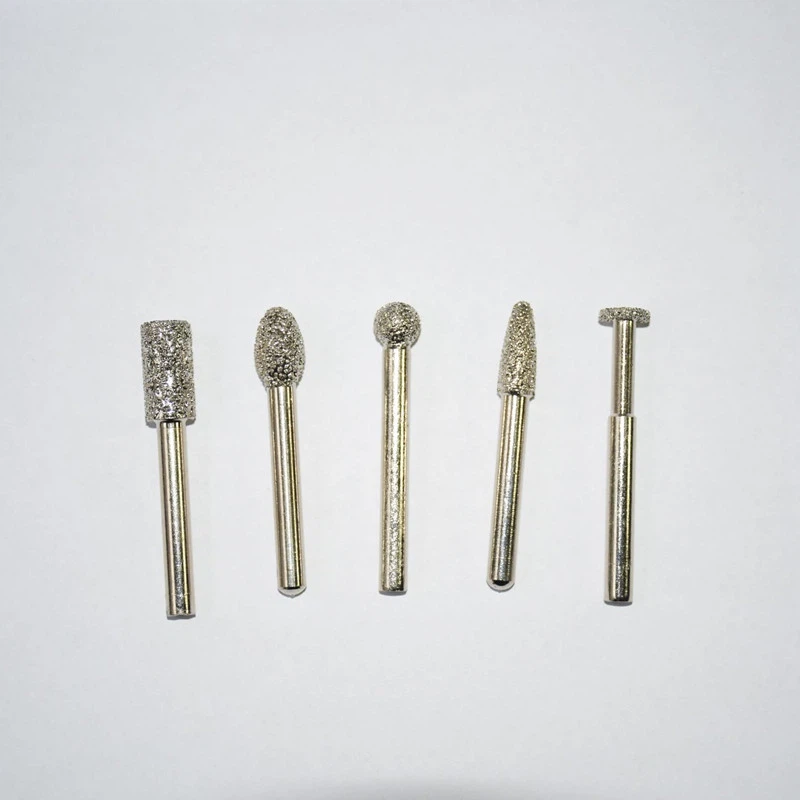

Our diamond grinding heads are made from high-quality diamond abrasives, which offer excellent hardness and wear resistance, ensuring long service life and consistent performance. With our expertise in grinding technology, we can provide customized solutions to optimize the grinding parameters for different materials and applications, helping our customers achieve the best surface finish quality.
Conclusion
In conclusion, the surface finish quality of a workpiece is significantly influenced by the grinding parameters, including wheel speed, feed rate, depth of cut, and the type of abrasive used. Understanding the relationships between these parameters and surface finish quality is crucial for optimizing the grinding process and achieving the desired results.
By carefully selecting and controlling the grinding parameters, it's possible to reduce surface roughness, improve surface integrity, and enhance the overall quality of the workpiece. Whether you're grinding hard materials or soft materials, our Diamond Grinding Head products can provide the performance and reliability you need to achieve the best surface finish quality.
If you're interested in learning more about our diamond grinding heads or need help optimizing your grinding process, please don't hesitate to contact us. We're here to provide you with the best solutions and support for your grinding needs.
References
- Trent, E. M., & Wright, P. K. (2000). Metal cutting. Butterworth-Heinemann.
- Shaw, M. C. (2005). Metal cutting principles. Oxford University Press.
- Rowe, W. B. (2009). Principles of modern grinding technology. Elsevier.